Diamond Shapes Explained by a Master Jeweller: The Complete Guide 2026
By Armans Fine Jewellery - Master Jewellers, Sydney
By Armans Fine Jewellery - Master Jewellers, Sydney
Choosing your diamond shape is one of the most important decisions you’ll make when designing an engagement ring. Each cut has its own personality, light behaviour, proportions, and visual impact, and after crafting thousands of bespoke rings over 30+ years in our Sydney atelier, we’ve learned that the right shape is more than preference. It’s a signature.
Below is an expert level guide to all major diamond shapes, crafted to help you compare them side by side with the insights only a Master Jewellery can provide.
Diamonds are cut into shapes that maximise brilliance, emphasize size, create specific aesthetics, or highlight clarity. While many shoppers focus on carat, shape is what determines how a diamond performs on the hands - sparkle, size appearance, elegance, and personality all stem from the shape.
In this guide, each shape is covered in detail using pros, cons, master jeweller notes, style recommendations, best settings and shape comparisons. The nine most popular shapes we work with at Armans Fine Jewellery include:
2. Round: Forever classic, highest brilliance.
3. Cushion: Soft, romantic, excellent value.
4. Emerald: Clean, architectural, very Sydney.5. Radiant: Sparkle lovers’ alternative to emerald.
6. Pear: Unique, elongating, expressive.
7. Marquise: Vintage revival, very flattering.
8. Princess: Less common now but still modern.
9. Asscher: For deco lovers, niche but refined.
1. Marquise
2. Pear
3. Oval
4. Emerald
5. Radiant
6. Cushion
7. Round
8. Princess
Master Jeweller insight: Even though round diamonds are the brightest, their deeper cut means they carry more weight underneath, reducing the face up size compared to ovals and pears.
This chart helps customers visualise differences in shapes as carat increases.
| Carat | Round (mm) | Oval (mm) | Cushion (mm) | Emerald (mm) |
|---|---|---|---|---|
| 0.5ct | 5.1 | 6.0 × 4.0 | 4.7 | 5.5 × 3.8 |
| 1ct | 6.4 | 7.7 × 5.7 | 6.0 | 7.0 × 5.0 |
| 1.5ct | 7.4 | 9.2 × 6.2 | 7.2 | 8.2 × 5.5 |
| 2ct | 8.1 | 10 × 7 | 7.5 | 9 × 6 |
Overview
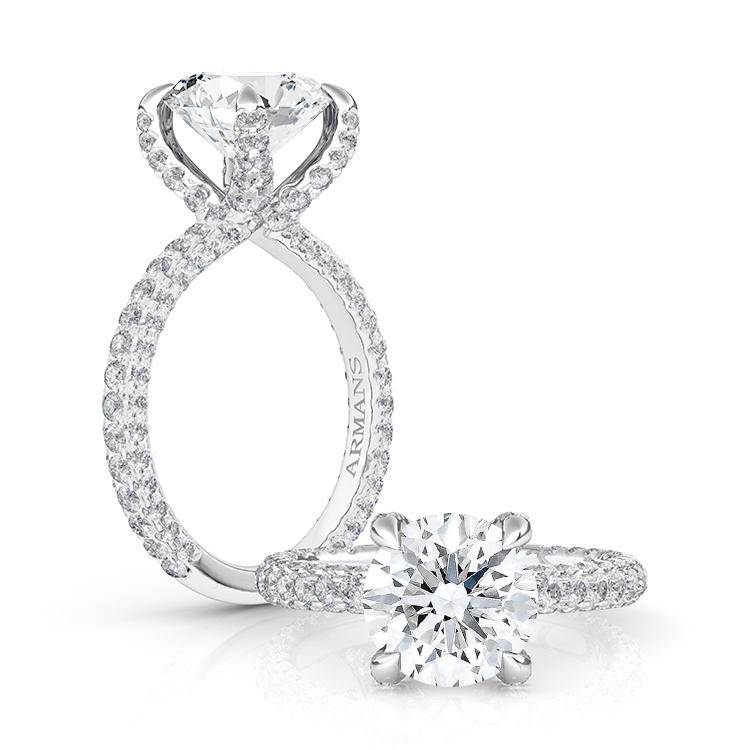
The Round Brilliant Cut is the most iconic and technically precise of all diamond shapes. Engineered with 57–58 facets, it’s designed to maximise light return, fire, and scintillation, making it the unrivalled choice for brilliance. Because of its symmetrical geometry and ability to mask minor inclusions, the Round Brilliant remains the global benchmark for sparkle and optical performance. Its balanced shape suits nearly every hand, every style, and every setting.
Pros
Cons
Best For
Timeless engagement rings, pavé bands, classic solitaires.
Master Jeweller Notes
The Round Brilliant is the most technically demanding diamond shape because its performance relies heavily on precise mathematics. Small deviations in cut grade dramatically affect brightness. At Armans, we inspect each stone for crown height, pavilion depth, lower-half facet length, and table-to-depth ratios to ensure it performs at its absolute peak.
This shape is versatile in settings, but we most often recommend:
A premium cut Round Brilliant will often look smaller on the finger than elongated shapes, but it makes up for it with unmatched light return. If brilliance is your priority, nothing surpasses this shape.
Overview
The Oval Cut offers a graceful silhouette with an elongated profile that creates the illusion of a larger diamond. Its modified brilliant facet pattern delivers strong sparkle while also lengthening the appearance of the finger. The oval’s flattering proportions and modern-meets-classic aesthetic make it one of the most sought after shapes in Australia today.
Pros
Cons
Best For: Modern solitaires, hidden halos, organic designs.
Master Jeweller Notes
Bow-tie in ovals is normal. The key is achieving a soft, blended bow rather than harsh dark lines. We hand select stones with optimal facet symmetry to minimise this.
Overview
The Cushion Cut is known for its soft, pillow-like shape and romantic, antique inspired character. With variations including brilliant, modified brilliant, and antique cut patterns, the cushion offers deep sparkle and gentle curves. Its versatility makes it suitable for both vintage and contemporary designs.
Pros
Cons
Best For: Vintage lovers, halos, romantic designs.
Master Jeweller Notes
Cushions have no standardised facet pattern, meaning two 1ct cushions can look totally different. We examine depth %, table %, and facet alignment closely.
Overview
The Emerald Cut features an elegant rectangular shape with step-cut facets that produce a hall-of-mirrors effect rather than traditional sparkle. The long, linear facets create dramatic flashes of light and a refined, architectural feel. The Emerald Cut is a favourite among those who appreciate sophistication, clarity, and unmistakable presence.
Pros
Cons
Best For: Minimalists, art deco styles, thick gold bands.
Master Jeweller Notes
Always prioritise clarity in emerald cuts. We recommend VS1 or better for a truly clean appearance.
Overview
The Radiant Cut blends the brilliance of a Round with the geometry of an Emerald or Princess, thanks to its hybrid facet pattern. It is one of the most sparkling elongated shapes, with clipped corners and deep facets that create intense fire. Radiant cuts appear larger than most other shapes of the same carat weight due to their substantial face up spread.
Pros
Cons
Best For: Brides wanting brilliance without a round or oval.
Master Jeweller Notes
Radiant cuts vary more than any other shape, especially in facet style, depth, and length-to-width proportions. We hand select stones with strong corner symmetry, low bow-tie presence, and consistent light distribution.
Overview
A tear drop combination of round and marquise cuts. Its teardrop silhouette creates dramatic finger lengthening and exceptional sparkle when well proportioned. Pear cuts are expressive, feminine, and highly distinctive.
Pros
Cons
Best For: East west designs, vintage designs, bold solitaires.
Master Jeweller Notes
The point of a pear is vulnerable. We always recommend a V prong or bezel tip for security.
Overview
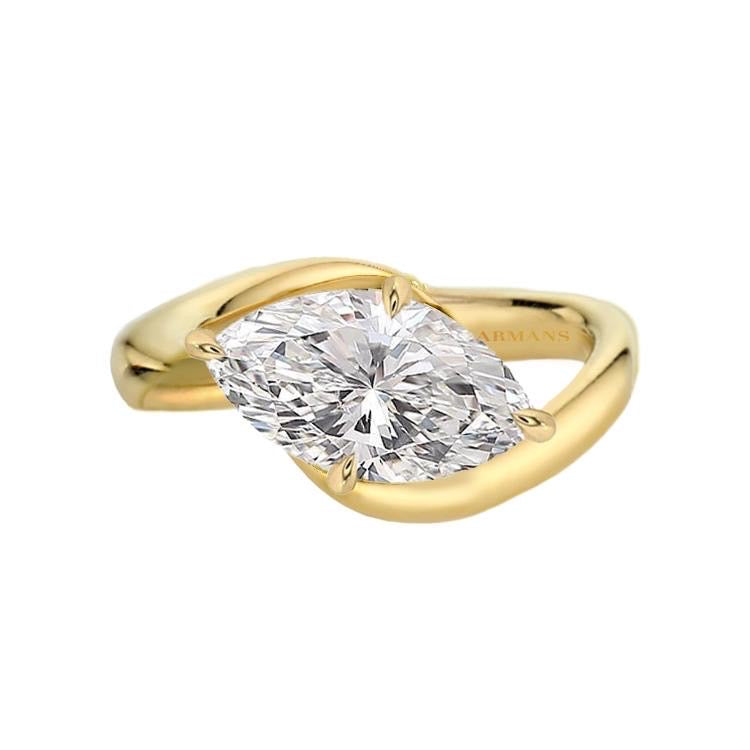
The Marquise Cut features a long, slender body with pointed ends, creating one of the most elongated silhouettes in fine jewellery. Its design maximises carat spread, often looking significantly larger than other shapes of equal weight, and offers dramatic, elegant finger coverage.
Pros
Cons
Best For: Vintage lovers, bold styles, east west rings.
Master Jeweller Notes
We pay special attention to shoulder symmetry. Even a slightly uneven marquise will look “off” on the hand.
Overview
A modern, geometric square diamond known for sharp lines, bright sparkle, and a contemporary aesthetic. Particularly popular for those who prefer a clean, structured look.
Pros
Cons
Best For: Contemporary design lovers, channel set engagement rings, minimalist style, those wanting a non-round shape that still sparkles strongly.
Master Jeweller Notes
Princess cuts have four pointed corners, which makes durability a key consideration. We always ensure claws cover every corner securely. When selecting a stone, we look for even, symmetrical chevron patterns in the pavilion as this is what gives the princess its “crushed ice vs brilliant” look.
Overview
A sophisticated, art-deco inspired square step cut diamond with cropped corners and mesmerising hall-of-mirrors reflections. Often described as the “square emerald cut”, but often with its own personality and dramatic light performance.
Pros
Cons
Best For: Art Deco inspired designs, vintage ring lovers, bold solitaires, thick 18ct gold bands.
Master Jeweller Notes
Asscher cuts demand exceptional clairty. Because the step facets act like windows, inclusions are more visible compared to brilliant cuts. We recommend VS1 or higher for a clean appearance.
The key to a top tier asscher is its depth, symmetry and windmill patterns. A well cut asscher should show clear, balanced “x” windmills when viewed from above. We hand select stones that have strong light reflection and crisp facet lines - poorly cut asschers appear dull or glassy.
Long Fingers: Round, Cushion and Emerald.
Wide Fingers: Oval, Radiant and Cushion,Slender Fingers: Round, Emerald and Pear.
Oval: Hidden halo, solitaires, double claw
Cushion: Vintage halos, four-prong, bezels
Emerald: Bezels, solitaire, side baguettes
Radiant: Modern solitaires, halos
Pear: V-tip solitaires, halos
Marquise: Bezel or claw-protected solitaires
Princess: Four-prong, channels
Round brilliant diamonds have the highest sparkle due to ideal facet alignment.
Marquise, pear, and oval offer the largest face up spread.
Radiant, cushion brilliant, and oval.
Ovals and pears as they elongate the finger.
Cushion cuts typically offer the best value per carat.
Every diamond shape discussed in this guide is one we work with daily in our Sydney workshop.